

Item 1 of 2
 INRhttps://stores.miniklub.in/baby-store/hubballi/kalidas-nagar/miniklub-in-kalidas-nagar-hubballi--3PcclP/articles/is-keto-diet-during-breastfeeding-safe--3b31fb42-43b5-43f3-8735-7b4490ca4b6b
Plot No 1, RS No 534-A2, Mr Gundger Building, Shirur Park 2nd StageKalidas Nagar, hubballi580020
MiniKlub, Kalidas Nagar, hubballi
Baby Clothing and Kidswear Store in Kalidas Nagar, Hubballi, Karnataka
Plot No 1, RS No 534-A2, Mr Gundger Building, Shirur Park 2nd Stage, Nearby The Udupi Grand Hotel, Kalidas Nagar, hubballi, karnataka - 580020
06126714988
744.8
Store Locator
Write ReviewsDrive Direction
Get in Touch
MiniKlub Social Feeds in Kalidas Nagar, hubballi
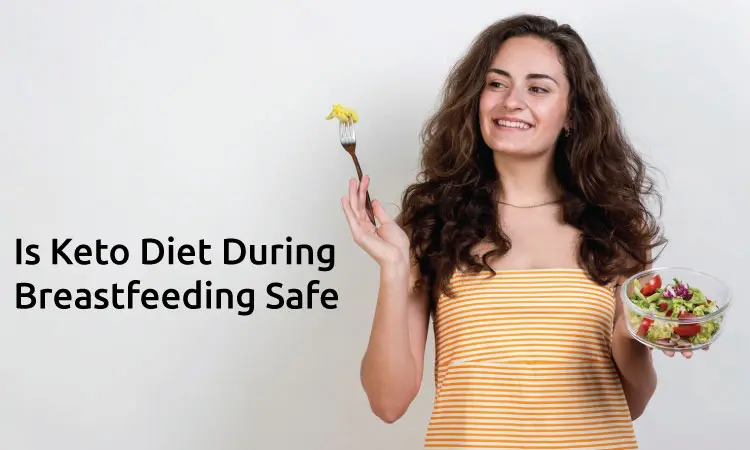
Is Keto Diet During Breastfeeding Safe?
Now that the long, arduous (and rewarding!) journey of pregnancy and delivery is finally over, something weighing on your mind might be losing all the weight you gained. I know, as that was the case with me as well. Young moms often struggle with their body image, especially when they see other moms “bouncing back” faster.
And since there may not be enough time for a detailed workout routine, because of the newborn baby you have to care for, the next solution you would look for would be a diet plan.
Keto diet is a popular and common diet plan. So you may be wondering whether it is safe to follow the keto diet during breastfeeding. After all, according to the WHO, it is best for you to exclusively breastfeed the baby at least until they are 6 months old, and then continue breastfeeding with other foods until they are 2.
Hence, it is important for you to ensure it is safe for you to be on keto diet while breastfeeding. This article sheds some light on this topic.
Is It Safe To Do Keto While Breastfeeding?
Before we delve into keto during breastfeeding specifically, it is important to first understand what exactly it is. Keto diet is a high-fat, low-carb diet, which also provides for some amount of protein.
It has gained a lot of popularity because of its quick weight loss results. It is also known to have a good effect on one’s metabolism.
This is due to the low amount of carbohydrate in the diet. Usually, the body burns carbs for energy, but because of the lack of carbohydrates, it is forced to turn to fat instead. Thus, more fat is burned for this diet.
However, just how safe is this diet when breastfeeding?
Some experts disagree with following a keto diet when breastfeeding due to concerns about milk supply. Having such a small amount of carbohydrates can affect the amount of milk the mother is able to produce, as well as the composition of the breast milk.
The different compositions of breast milk can also affect the growth and development of the newborn baby. Therefore, it is highly important to ensure that the diet you follow does not adversely affect the nutrition of the baby, or yourself.
If you are considering following the keto diet to lose weight after delivery, you must first consult your primary healthcare provider or a licensed consultant to make sure it is safe for you.
It is also advised that you do not follow a pure keto diet. Instead, make some modifications to the traditional keto to better accommodate yours and your baby’s needs. You need to consume at least the minimum requirement for carbohydrates.
Make sure your meals are more balanced. You can add lots of keto-friendly fruits, like strawberries, lemons, avocados, watermelon, and peaches, to your diet, along with some fibre-rich carbs and lean proteins.
And, of course, stay hydrated! These steps will help you safely incorporate a keto-like diet plan.
So, overall, yes, it is safe for breastfeeding moms to follow a keto diet. However, following it too religiously and being too restrictive can have adverse effects. At least for a while, you should allow yourself a little more room to breathe.
Risks Of Keto Diet While Breastfeeding
At the end of the day, keto is a very extreme and restrictive diet.
In addition to all the frustration, exhaustion and inconvenience such diets can cause, which I myself can attest to, such diets also have some risks associated with it. It is important to know what these are so that you can make an informed decision.
1. Affects the milk supply
This is the most common negative effect associated with the keto diet while breastfeeding. Since carbs are the main source of energy for the body, and therefore contribute to milk production, following a keto diet can cause the milk supply to reduce.
Additionally, it can also change the composition of the breast milk. This can affect the nutrient intake of your baby. If the milk doesn’t contain enough carbs, the baby won’t get enough carbs.
Our panel gynaecologist Dr Ankita Patel Tayal says that breastfeeding takes a lot out of you, and it’s easy to understand why—you’re producing enough nutrients to keep an entire separate human alive! That means your body is burning a lot of energy and, therefore, requires more calories than usual. Based on a 2,000-calorie diet, you need anywhere from 200 to 500 extra calories every day when breastfeeding. This is especially true in the early stages before your baby can get nutrients from solid food.
2. Nutrient deficiency
This is the other main concern associated with keto diet during breastfeeding. Fruits, vegetables and grains are all restricted in the keto diet, because of their carbohydrate content.
However, these foods are also highly important sources of other nutrients, such as vitamins and minerals.
Not being able to eat these foods can lead to a nutrient deficiency that has a huge negative effect on both yours and your baby’s health. There can also be a lack of fibre, which leads to digestive issues like constipation.
3. Breastfeeding or lactation ketoacidosis
The keto diet works by increasing the amount of ketones in the blood that is used as fuel for the body, as opposed to glucose. This is known as ketosis, where the ketones have increased, but are still at a safe level.
However, when the level of ketones exceeds even that, the pH of the blood begins to drop and the body starts to enter ketoacidosis, which can cause nausea, severe pain, comatose state, and even be fatal.
This is very rare in most people, as the human body contains enzymes that break down the ketones before something like this can happen. But in certain circumstances, such as when you are pregnant or lactating, the risk is much higher.
There have been multiple cases of very young, otherwise healthy mothers, being diagnosed with lactation ketoacidosis due to extreme diets.
In fact, one of my relatives was diagnosed with lactation ketoacidosis at the age of 27, while breastfeeding a 2 month old baby, and had to be given urgent care. And these are just the cases that get properly reported and diagnosed!
At the end of the day, you need to remember that breastfeeding is stressful on the body. Things that might have been safe at any other time, become a lot more dangerous due to the fluctuations in your body.
Are There Any Alternative Diet Plans For Nursing Moms?
If the risks for following a keto diet during breastfeeding proves to be too much, don’t worry. There are alternatives.
Back when my baby was first born, I had initially followed a keto while breastfeeding meal plan in order to get back in shape as quickly as possible.
However, the ensuing nutrient deficiencies made me realise that this diet was not sustainable for the time being. This made me discover a variety of alternative diets that are more well-suited to a breastfeeding mother.
Here are some alternative diet plans for nursing moms:
1. Mediterranean
This is a popular diet that has been curated based on the traditional diet and cuisine of countries like Greece, Italy, Spain, etc. which are located in the Mediterranean region.
It is known to be very healthy, and is rich in foods like fish, shellfish, fruits, vegetables, whole grains, and of course, the classic Mediterranean oils, like olive oil.
It has been proven that the Mediterranean diet will prevent nursing mothers from gaining more weight. It has also been proven that breastfeeding a baby while following a Mediterranean diet provides the baby with numerous health benefits, such as preventing asthma and boosting the immune system.
2. Low Carb
While a low carb diet follows a similar principle to keto diet, it reduces many of the risks related to nutritional imbalance that keto has.
While it makes the body burn fat for energy, just like keto, it also ensures that the mother can consume necessary nutrients.
For this reason, it also really reduces the risk of ketoacidosis, which is a common risk of keto diet.
In fact, a low carb diet provides room for about 130 gm of carbohydrates a day. This is several times the amount allowed by keto, which is usually a lot less than 50 gm a day, and sometimes even around 20 gm.
This makes low carb diet a good transitional diet. If you still want to try out a keto diet, you can always do so after you finish nursing the baby.
In the meantime, a low carb diet gives you a good start on getting back into shape, and helps you stay healthy while breastfeeding.
3. Paleo
As the name suggests, this is a diet that is based on the food people in the palaeolithic age ate. I know! It sounds ridiculous, and I was highly sceptical when I first heard about it.
However, this diet has actually proven itself to be very healthy. It is also known as the “caveman’s diet” which might throw some people off, but it is definitely worth it.
Paleo diet consists of unprocessed foods of the highest quality. However, it still restricts grains, dairy, legumes, etc. The result is a diet that has lower carbs than most, but is not nearly as restrictive as keto, allowing more fruits, vegetables, honey, etc. and therefore, does not risk nutrient deficiencies or drastic changes in the breast milk composition.
Some of the main foods included in paleo are fruits, vegetables, fish, lean meats, nuts, etc. These nutrient-dense foods ensure that deficiencies do not occur. It also provides more variety to choose from, as opposed to keto.
Because of its flexibility, this diet is a lot more sustainable, especially since the foods needed will be more readily available. Since the diet cuts out dairy products and even gluten, there will be fewer possible allergens. This reduces the risk of the baby developing allergies through breast milk.
What Diet Is Best For Breastfeeding Moms?
With so many options, it can be difficult to decide which works best for you. When you are breastfeeding, it is always best to go for the safe option. After all, if you want to go for a more committed diet, there will always be time later.
Right now, you need to prioritise getting all the nutrients you and the baby needs, making sure you produce enough milk, and staying healthy. Beyond that, the right diet varies for each person.
The diet that helped me lose weight post-pregnancy is different from the one that my friend followed, but there is no doubt that both were effective.Still, there are some things you need to keep in mind when choosing the diet that is best for you:
1. Ensure you get enough carbohydrates
Strict, restrictive diets like the keto diet tend to keep daily carbs to only around 20 gm to 30 gm. Rather than trying to take as few carbs as possible, try to consume as many carbohydrates as you can while still losing weight.
Having a small exercise routine in addition to your diet will allow you to eat more carbs. Also, you can go for complex carbohydrates, such as quinoa, oatmeal, brown rice, whole grain bread, etc.
Keep in mind that you need more nutrients now than from before you became pregnant. So don’t cut out carbohydrates completely, and ensure you consume the daily requirement.
2. Stay hydrated and well-balanced!
When you are breastfeeding, you need even more fluids than usual. So make sure you drink plenty of water!
Dr Ankita Patel Tayal, MD OBGYN, says that breast milk is about 90% water, so mothers need to drink enough fluids to compensate for the water lost while nursing and to produce milk. Breastfeeding mothers should aim to drink 13–16 cups of fluids per day, depending on their activity level, body size, and climate.
And of course, for the baby to get enough nutrients, you will need to have a balanced diet with more nutrients than usual. You will need to include items from all food groups.
3. Make sure you meet calorie requirements
Keep in mind that most diets out there are not catered to nursing mothers with newborns to take care of!
There are many diets out there that simply do not provide you with the calories you need, and following them as it is can have negative effects on yours and your baby’s health. You need at least 300-500 more calories than usual per day. So make sure you do not go hungry for the sake of weight loss.
4. These nutrients make a huge difference
Omega-3 fatty acids are incredibly important for your health. It is also very helpful for your baby’s brain development. Thus, it is indispensable during breastfeeding. It can be found in fatty fish mainly, such as salmon.
It is also present in chia seeds, flax seeds, and walnuts. Calcium and vitamin D are both also essential for the baby’s development, as well as the mother’s health. Vitamin D can be obtained through exposure to sunlight as well as supplements, if necessary.
Calcium, on the other hand, is found mainly in dairy products, but can also be obtained from plant-based milk and leafy greens.
5. Keep your doctor in the loop
Each person is different. You would have different needs from other nursing mothers. So before starting any diet, you need to consult your healthcare provider to make sure it is safe.
They can also help you make modifications to the diet to suit your needs, and come up with a personalised meal plan.
Conclusion
The safety of following a keto diet during breastfeeding is a topic that is still being researched. I know of many mothers who followed a modified keto diet after giving birth, and achieved great results.
However, there is no denying that the keto diet does come with its risks, most notably the chance for nutrient deficiency and depleting milk supply. So if you are contemplating the keto diet during breastfeeding, you need to modify it so that you receive all the nutrients you need.
However, there are also many other options, if you wish. These other, more flexible diets can help you mitigate those risks while still eating healthy and losing weight. At the end of the day, you need to make that decision based on your own needs.