



Item 1 of 2
 INRhttps://stores.miniklub.in/baby-store/hubballi/kalidas-nagar/miniklub-in-kalidas-nagar-hubballi--3PcclP/articles/can-a-pregnant-woman-swim-in-a-chlorine-pool--1a8ba168-e156-4a99-a0c5-35a002f663c8
Plot No 1, RS No 534-A2, Mr Gundger Building, Shirur Park 2nd StageKalidas Nagar, hubballi580020
MiniKlub, Kalidas Nagar, hubballi
Baby Clothing and Kidswear Store in Kalidas Nagar, Hubballi, Karnataka
Plot No 1, RS No 534-A2, Mr Gundger Building, Shirur Park 2nd Stage, Nearby The Udupi Grand Hotel, Kalidas Nagar, hubballi, karnataka - 580020
06126714988
744.8
Store Locator
Write ReviewsDrive Direction
Get in Touch
MiniKlub Social Feeds in Kalidas Nagar, hubballi
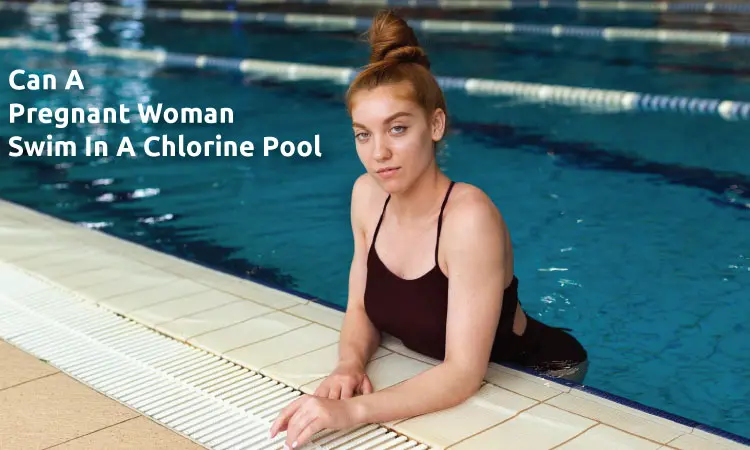
Can A Pregnant Woman Swim In A Chlorine Pool
During pregnancy, exercise and physical activity are frequently advised as means to improve overall health. Swimming could be a good form of exercise for pregnant women. It is a fantastic way to beat the summer heat and fit in some exercise. To what extent, though, is it safe to swim in a pool while pregnant?
A majority of indoor and outdoor swimming pools use chlorine as a disinfectant to kill harmful microorganisms like bacteria and viruses. Because of the potential harm that chlorine exposure can cause to pregnant women’s skin and respiratory systems, “Can a pregnant woman swim in chlorine pools?” is one of the most frequently asked queries.
Pregnant women also have concerns about the effect of disinfectant by-products used to keep the water clean on the developing fetus.
Beyond the safe chlorine level, there are many other considerations to make when swimming while pregnant, such as the pool’s temperature and after-swimming care. Continue reading to learn more about the risks and precautions to take when swimming in chlorinated pools while pregnant.
Advantages Of Swimming During Pregnancy
According to experts, swimming is a safe form of exercise for pregnant women who have never had any health problems. Swimming provides many health benefits for pregnant women because it is considered a low-impact exercise. Some of these health benefits are listed below1.
- Swimming can ease the aches and pains of pregnancy that are frequently present in the first, second, and third trimesters. These include morning sickness, back pain, and muscle aches.
- Swimming increases blood flow, reducing edema.
- Pregnant women can swim longer without becoming fatigued because the water supports their neck, back, and other joints, evenly distributing the excess weight. Therefore, they can exercise for a longer time without getting tired.
- Swimming reduces the risk of soft tissue injuries and trips and falls, which are more common during high-impact exercises, like skipping.
- Swimming is unique among exercises in that it keeps your core temperature down and prevents you from overheating, a concern during pregnancy.
- Swimming is beneficial during pregnancy because it helps strengthen the heart and lungs.
- Pregnant women who swim regularly have a lower risk of gaining excess weight during their pregnancies.
Is It Safe For Pregnant Women To Swim In A Chlorinated Pool?
There have not been many studies conducted on the possible dangers of swimming in chlorinated water during pregnancy, and none have drawn any firm conclusions either way.
On the other hand, at least one study has found no evidence that swimming in chlorine-treated pools during pregnancy is harmful to the developing fetus.
So, yes, it is safe to swim in a chlorinated pool while pregnant. Swimming in a chlorinated pool or being exposed to low levels of chlorine poses no danger during pregnancy.
Chlorine levels in swimming pool water are typically low enough to be considered safe. Swimming pools are safer than other natural water bodies because they are enclosed, have a consistent temperature, and have no waves or currents.
In light of this, swimming in a chlorine pool is safe for expectant mothers and is a terrific way for them to cool off and get some exercise.
Even so, you should make sure that the pool water you swim in has a balanced chlorine level because prolonged exposure to excessively high levels of chlorine can irritate or cause discomfort.
What Is The Safe Level Of Chlorine In Pool Water?
According to the Centers for Disease Control and Prevention, it is a good idea to check a pool’s pH and chlorine levels before entering. Adequate disinfectant concentrations and pH levels prevent the spread of pathogens in water.
The CDC recommends a pH range of 7.2 to 7.8. In swimming pools, the free chlorine content needs to be at least 1 ppm (parts per million). Swimming in a chlorinated pool with an excessive amount of chlorine can irritate the respiratory tract, the eyes, the nose, and the throat. In addition, it can lead to skin dryness and itching.
The maximum amount of chlorine that can be considered safe in a swimming pool is 3 ppm. A pool with a chlorine level of 5 parts per million (ppm) may not cause many side effects, but it should be avoided during pregnancy.
However, any concentration of chlorine that is greater than five parts per million poses potential side effects, regardless of whether or not they are pregnant. If the chlorine level in the pool is between 7 and 10 ppm, never get into it until the level is lowered to a permissible level2.
Can Chlorine In Pool Hurt The Developing Fetus?
Properly maintained swimming pools typically have chlorine concentrations that are well within recommended limits. While it is true that some chlorine can be absorbed through the skin during a swim in a chlorinated pool, the amount absorbed is extremely low and is not likely to have any direct adverse effect on the developing fetus.
Nonetheless, a few studies suggest that swimming in chlorinated pools during pregnancy may have some effects, though the evidence is not very strong.
It is not, however, applicable to swimming in a pool with the recommended level of chlorine. In most cases, the adverse effects of swimming in a chlorinated pool occur when the pregnant woman or her unborn child is exposed to a higher-than-usual concentration of chlorine.
The following is what a few studies have found:
- One piece of research has concluded that pregnant women who swim in chlorinated pools may have an increased risk of having a miscarriage or having a child born with a birth defect. This was reported by “The Guardian”.
- The National Institutes of Health reports that studies suggest prenatal exposure to chlorine and other DBPs in swimming pools may alter birth outcomes, specifically fetal head circumference.
- According to ScienceDirect, a pregnant woman’s exposure to chlorinated pools during her pregnancy may change the composition of her unborn child’s cord blood. It does not specify whether this alternation is detrimental, though.
What Is The Safe Temperature For A Pregnant Woman To Swim In A Pool?
In addition to the chlorine level, the pool’s temperature is also an important factor for pregnant women. The safe temperature for a pregnant woman to swim in a pool is generally a comfortable and moderate water temperature, which is usually between 78 and 86 degrees Fahrenheit3.
However, individual comfort levels may vary, and what is considered a comfortable temperature for one person may not be the same for another. But at any point during pregnancy, hot tubs are not advised.
Tips for Pregnant Women to Remember After Using a Chlorine-Treated Pool
After swimming in a chlorinated pool, it’s important to take some post-swim care steps to minimize potential skin and hair issues related to chlorine exposure.
Here are some tips for post-swim care:
- Take breaks between swims, especially if you swim often, to prevent chlorine overexposure.
- Take a shower right after you get out of the pool to get rid of any chlorine that may have lingered on your skin or hair. Keep in mind that hot water can further dry out your skin, so it is best to use lukewarm water instead.
- Make use of shampoo and conditioner made especially to get rid of chlorine from your hair. By using these products, you can keep your hair healthy and avoid the buildup of chlorine.
- Chlorine can make your skin dry. To keep your skin hydrated after your shower, use a moisturizer.
- Chlorine in swimming pools can cause eye problems. To relieve any redness or irritation caused by chlorine in the water, use artificial tears or eye drops.
- Swimming can be dehydrating, so be sure to drink water after your swim to rehydrate your body.
These post-swim care instructions are especially helpful for pregnant women who want to minimize the negative effects of chlorine on their skin and hair. However, if you develop a rash or other skin irritation after swimming or if you start to feel ill, seek medical attention.
Swimming Safety Tips For Pregnant Women
When swimming in a chlorinated pool while pregnant, it is important to keep in mind the following safety precautions and guidelines:
- Pregnant women who do not normally swim should start slowly and swim for short periods.
- Get the pool water tested for quality and make sure the chlorine levels are safe.
- Put on some nonslip sandals before entering the pool area.
- Never dive or jump into a pool.
- Do not continue swimming if you are tired.
- Thirty minutes before swimming, avoid eating anything.
- Invest in a maternity swimsuit because regular swimwear will not accommodate your growing belly.
- Never skip the cooling-down period. Stop gradually, as with any physical activity.
- Entering and exiting the water may be slippery. Walking cautiously and being careful in pool locker rooms where water puddles might cause slips are important.
- Never swim alone while pregnant. Bring a friend or spouse with you to the pool if there is not a lifeguard on duty.
When Not To Swim During Pregnancy?
Swimming is a low-impact activity that is safe and beneficial to do during pregnancy, but there are some situations in which it should be avoided:
- If you feel like you are having trouble breathing, have chest pain, calf pain, or swelling, stop swimming and call your OB/GYN or primary care physician right away.
- According to published research, swimming should also be avoided if you have certain underlying medical conditions or experience pregnancy-related complications like a ruptured amniotic sac.
- Expectant mothers ought to refrain from swilling if they have:
- Cardiopulmonary problems
- Severe anaemia
- Cervical insufficiency
- Placenta previa
- Preeclampsia
- Risk for preterm labor or have a history of preterm delivery
- Epilepsy
- History of spontaneous rupture of membrane
Conclusion
Swimming is a healthy and safe activity for pregnant women. If you do not have any health issues that would pose a risk to swimming, you are free to swim at any time during your pregnancy and reap the advantages it offers.
Chlorine-treated pools are safe for pregnant women to use. Certain statements are circulating that suggest the byproducts of chlorinated water could potentially lead to birth problems.
However, experts state that the study upon which these stories are based does not offer any conclusive evidence. There is currently no evidence to support the claim that the chlorine level in a swimming pool poses any harm to pregnancy or unborn babies.